Post
How to Choose the Best Face Cream for Your Skin Type and Needs
Jun
How to Choose the Best Face Cream for Your Skin Type and Needs
Introduction
A high-quality face cream is one of the most important products in any skincare routine. Whether your goal is to maintain hydration, reduce signs of aging, improve skin texture, soothe sensitivity, or protect your skin from environmental stressors, choosing the right face cream can make a significant difference in your skin’s health and appearance.
However, with countless face creams available on the market, selecting the ideal product can feel overwhelming. Different formulations are designed to address specific skin types and concerns, and what works well for one person may not be suitable for another. Understanding your skin type, identifying your skincare goals, and learning how ingredients function are essential steps toward making an informed decision.
This comprehensive guide will help you choose the best face cream for your skin type and needs while providing valuable insights into ingredients, formulations, and skincare best practices.

Why Face Cream Is Essential for Healthy Skin
Face creams do much more than simply moisturize the skin.
They help:
- Maintain hydration
- Strengthen the skin barrier
- Improve skin texture
- Protect against environmental damage
- Support overall skin health
Consistent use of an appropriate face cream can contribute to smoother, healthier-looking skin over time.
Understanding Your Skin Type
Before choosing a face cream, it is important to identify your skin type.
Different skin types require different formulations.
Normal Skin How to Choose the Best Face Cream
Characteristics:
- Balanced oil production
- Minimal sensitivity
- Few imperfections
- Comfortable throughout the day
Recommended Face Creams
Look for:
- Lightweight moisturizers
- Balanced hydration
- Antioxidant-rich formulas
Normal skin benefits from maintaining its natural balance.
Dry Skin
Characteristics:
- Tightness
- Flaking
- Rough texture
- Dull appearance
Recommended Face Creams
Choose products containing:
- Hyaluronic acid
- Ceramides
- Shea butter
- Glycerin
Rich creams help restore moisture and support the skin barrier.
Oily Skin
Characteristics:
- Excess shine
- Enlarged pores
- Frequent breakouts
Recommended Face Creams
Look for:
- Oil-free formulas
- Lightweight gels
- Non-comedogenic ingredients
Proper hydration remains important even for oily skin.
Combination Skin
Characteristics:
- Oily T-zone
- Dry or normal cheeks
- Mixed concerns
Recommended Face Creams
Choose:
- Lightweight moisturizers
- Balancing formulations
- Gel-cream textures
Combination skin benefits from adaptable hydration.

Sensitive Skin
Characteristics:
- Redness
- Irritation
- Reactivity to products
Recommended Face Creams
Prioritize:
- Fragrance-free products
- Gentle formulations
- Soothing ingredients
Minimizing potential irritants is essential.
Identifying Your Primary Skin Concerns
Beyond skin type, specific concerns should influence your choice.
Dehydration
Signs include:
- Tightness
- Dullness
- Fine dehydration lines
Helpful Ingredients
- Hyaluronic acid
- Glycerin
- Aloe vera
Hydrating ingredients help attract and retain moisture.
Aging and Fine Lines
Common concerns include:
- Wrinkles
- Loss of elasticity
- Uneven texture
Helpful Ingredients
- Retinol
- Peptides
- Niacinamide
- Antioxidants
These ingredients support smoother, firmer-looking skin.
Hyperpigmentation
Includes:
- Dark spots
- Uneven tone
- Post-acne marks
Helpful Ingredients
- Vitamin C
- Niacinamide
- Alpha arbutin
These ingredients help improve brightness and tone.
Acne-Prone Skin
Common issues:
- Breakouts
- Congestion
- Excess oil
Helpful Ingredients
- Salicylic acid
- Niacinamide
- Zinc
Lightweight, non-comedogenic creams are ideal.
Understanding Key Face Cream Ingredients
Learning about common ingredients helps simplify product selection.
Hyaluronic Acid
Benefits:
- Deep hydration
- Plumper appearance
- Improved moisture retention
Suitable for nearly all skin types.
Ceramides
Benefits:
- Strengthen the skin barrier
- Prevent moisture loss
- Improve resilience
Especially beneficial for dry and sensitive skin.
Niacinamide
Benefits:
- Improve skin tone
- Reduce redness
- Support barrier function
- Minimize excess oil
A versatile ingredient for many concerns.
Vitamin C
Benefits:
- Brighten complexion
- Provide antioxidant protection
- Improve skin radiance
Popular in anti-aging routines.
Peptides
Benefits:
- Support firmness
- Improve elasticity
- Reduce visible aging signs
Frequently included in premium skincare products.
Retinol
Benefits:
- Encourage cell turnover
- Improve texture
- Reduce wrinkles
Often recommended for mature skin.
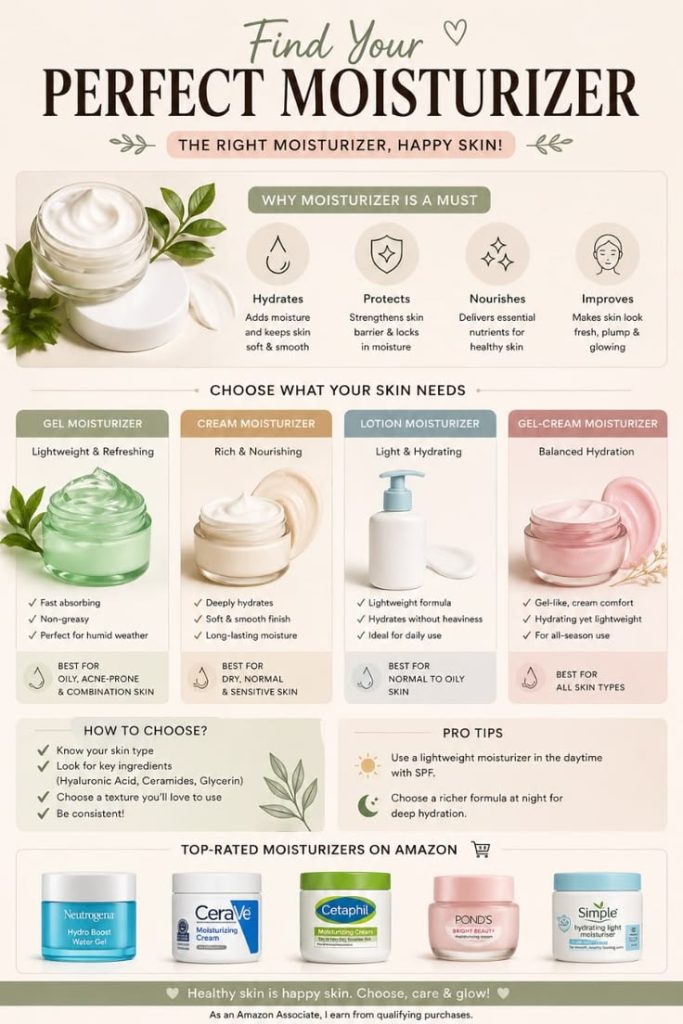
Choosing the Right Texture
Face cream texture should match your skin type.
Gel Moisturizers
Best for:
- Oily skin
- Combination skin
- Humid climates
Characteristics:
- Lightweight
- Fast-absorbing
- Non-greasy
Lotion-Based Moisturizers
Best for:
- Normal skin
- Combination skin
Characteristics:
- Balanced hydration
- Comfortable wear
Rich Creams
Best for:
- Dry skin
- Mature skin
- Cold climates
Characteristics:
- Intensive moisture
- Protective barrier support
Texture greatly influences user satisfaction.
Day Cream vs Night Cream
Different products often serve different purposes.
Day Cream
Focuses on:
- Hydration
- Environmental protection
- Lightweight wear
Many include SPF protection.
Night Cream
Focuses on:
- Repair
- Recovery
- Intensive nourishment
Night formulations are often richer and more concentrated.
The Importance of SPF Protection
Sun exposure is one of the leading causes of premature skin aging.
Benefits of SPF
Prevent Fine Lines
Reduce photoaging.
Minimize Dark Spots
Support even skin tone.
Protect Skin Health
Reduce UV damage.
Daily sun protection is an essential part of skincare.
How Climate Affects Face Cream Selection
Environmental conditions influence skincare needs.
Warm Climates
Recommended:
- Lightweight gels
- Oil-free moisturizers
Cold Climates
Recommended:
- Rich creams
- Barrier-supporting formulas
Adjusting products seasonally can improve results.
Luxury vs Drugstore Face Creams
Both categories can offer effective solutions.
Luxury Face Creams
Advantages:
- Premium formulations
- Sophisticated textures
- Exclusive ingredients
Drugstore Face Creams
Advantages:
- Affordability
- Accessibility
- Proven ingredients
Effectiveness depends more on formulation than price alone.
How to Test a New Face Cream
Introducing new products carefully reduces the risk of irritation.
Best Practices
Patch Test First
Apply to a small area.
Introduce Gradually
Monitor skin response.
Avoid Multiple New Products Simultaneously
Identify reactions more easily.
Patience helps ensure compatibility.
Building a Complete Skincare Routine
Face cream works best within a comprehensive routine.
Basic Routine
- Cleanser
- Serum (optional)
- Face cream
- Sunscreen (daytime)
Consistency is key to achieving results.
Common Mistakes When Choosing a Face Cream
Avoid these frequent errors:
Choosing Based on Marketing Alone
Focus on ingredients and needs.
Ignoring Skin Type
Formulation matters.
Overusing Products
More is not always better.
Skipping Sunscreen
Protection is essential.
Thoughtful selection improves outcomes.
Future Trends in Skincare
The skincare industry continues evolving.
Emerging innovations include:
Personalized Formulations
Customized skincare solutions.
Sustainable Ingredients
Environmentally responsible sourcing.
Barrier-Focused Products
Support long-term skin health.
Advanced Delivery Systems
Improve ingredient effectiveness.
These trends continue shaping modern skincare.
Long-Term Benefits of Choosing the Right Face Cream
Using an appropriate face cream consistently can provide:
Better Hydration
Maintain moisture balance.
Improved Skin Texture
Enhance smoothness.
Healthier Appearance
Support radiance.
Greater Comfort
Reduce dryness and irritation.
Long-term skincare success begins with selecting the right products.
Conclusion
Choosing the best face cream starts with understanding your skin type, identifying your primary concerns, and selecting ingredients that address your specific needs. Whether you have dry, oily, combination, sensitive, or mature skin, the right face cream can help maintain hydration, strengthen the skin barrier, improve texture, and support overall skin health.
By paying attention to ingredients such as hyaluronic acid, ceramides, niacinamide, peptides, and antioxidants, as well as choosing textures and formulations suited to your lifestyle and environment, you can build an effective skincare routine that delivers lasting benefits. With patience and consistency, the right face cream can become a cornerstone of healthier, smoother, and more radiant skin.
