Post
Floral Perfumes vs Sweet Perfumes
May
Floral and Sweet Fragrances: Floral Perfumes vs Sweet Perfumes
Perfume is much more than a mere cosmetic product; it is an invisible accessory that plays a vital role in personal style and self-expression.. Different fragrances have the unique power to create distinct moods, lasting impressions, and profound emotional experiences for both the wearer and those around them.. In the vast landscape of olfactory categories, floral and sweet (gourmand) perfumes remain the two most popular and enduring choices for women worldwide.. Understanding the nuances of these two groups, including their chemical evolution and cultural significance, is essential for finding a signature scent that truly resonates with one’s identity in 2026..
1. The Timeless Elegance of Floral Perfumes
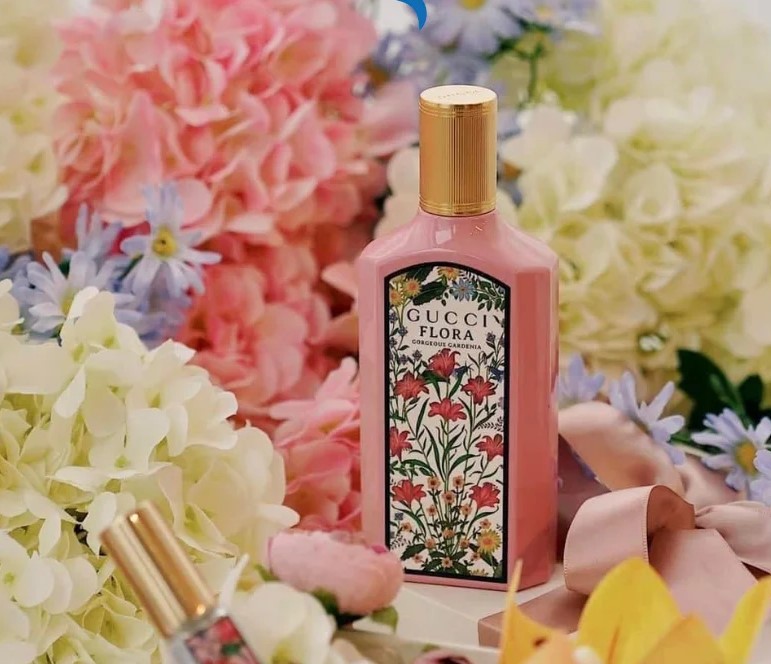
Floral perfumes are the traditional foundation of perfumery, celebrated for their elegant, feminine, and sophisticated scent profiles.. They represent the beauty of nature and have been the preferred choice for centuries..
Olfactory Palette: These fragrances are crafted using a diverse array of botanical notes, with the most iconic being rose, jasmine, peony, lavender, and cherry blossom..
Symbolism and Heritage: In the world of scent, floral notes are almost universally associated with romance, refined sophistication, and natural freshness.. They evoke the feeling of walking through a blooming garden at dawn..
Versatility: One of the primary reasons for their dominance is their incredible versatility.. A soft floral perfume is appropriate for nearly any setting—whether it is a day at school, a professional office environment, or a formal social event..
Seasonal Pairing: Because they create refreshing and airy impressions, light floral scents are particularly suited for the bright, warm days of spring and summer, providing a “clean” aura even in humid conditions..
2. The Playful Allure of Sweet and Gourmand Scents
While florals focus on the garden, sweet perfumes draw inspiration from the kitchen and the confectionery, emphasizing warm, playful, and addictive scent profiles..
Common Ingredients: The “sweet” category is defined by delicious notes such as vanilla, caramel, chocolate, and honey, often blended with succulent fruity ingredients like berries or peach to create a balanced sweetness..
Emotional Impact: These fragrances are designed to feel youthful, energetic, and deeply comforting.. Many consumers gravitate toward them because they create a “cozy” and attractive aura, acting as a “scent-hug” during colder months..
The Gourmand Trend: In recent years, “gourmand” perfumes—scents that intentionally resemble dessert-like aromas—have moved from a niche interest to a major global trend.. They offer a sense of indulgence and nostalgia that floral scents often lack, tapping into the human psychological connection between scent and flavor..
3. The Science of Scent Evolution: Notes and Concentration
To truly understand why some perfumes last longer than others, one must look at the “fragrance pyramid” which dictates how a scent unfolds over time..
Top Notes (The First Impression): Usually consisting of citrus or light fruits, these are the notes you smell immediately..
Middle Notes (The Heart): This is where most floral ingredients reside.. As the top notes fade, the “heart” of the perfume emerges, defining the main character of the fragrance..
Base Notes (The Foundation): This is the “Sweet Advantage.”. Sweet and gourmand notes like vanilla, amber, and musk serve as heavy base molecules that evaporate slowly.. This allow the scent to linger for many hours or even days on clothing.. Floral Perfumes vs Sweet Perfumes
Floral Ethereality: In contrast, floral perfumes—especially those focused on lighter blossoms—tend to feel softer and more ephemeral.. They may require more frequent reapplication to maintain their presence throughout a full day.. Floral Perfumes vs Sweet Perfumes
4. Selecting Based on Personality and Lifestyle
The choice between a floral or a sweet perfume is often a reflection of one’s internal personality and external lifestyle..
The Classic Sophisticate: Individuals who prefer a timeless, elegant, and classic aesthetic typically find themselves drawn to the refined nature of floral bouquets.. This personality often values tradition and understated grace..
The Playful Romantic: Those who enjoy a more whimsical, cozy, and playful lifestyle often find that sweet or fruity-gourmand perfumes better match their energetic spirit and approachable nature..
Environmental Context: A sweet, heavy perfume might be perfect for a winter evening or a date night, whereas a light floral is often the better choice for a crowded classroom or office during a humid summer day to avoid overwhelming others..
5. The Modern Trend: Hybridization and Individuality Floral Perfumes vs Sweet Perfumes
In the contemporary fragrance market of 2026, the lines between these categories are increasingly blurred as luxury brands strive to create “balanced” masterpieces..
The Floral-Sweet Hybrid: Many high-end perfumes now combine these two worlds to offer complexity.. A common example is the pairing of rose with vanilla or jasmine with caramel, creating a fragrance that feels both sophisticatedly elegant and invitingly warm..
Layering for Individuality: Modern consumers are moving away from “following the crowd”.. Instead, they choose fragrances based on their current mood, specific personality traits, and deep emotional connections, often layering two different scents to create a unique personal brand..
6. Professional Tips for Maximizing Fragrance Longevity
Wearing perfume is an art form. To get the most out of your floral or sweet scents, consider these professional application techniques:.
Moisturize First: Perfume lasts significantly longer on hydrated skin.. Applying a fragrance-free lotion or a matching body cream before spraying your perfume creates a “base” for the scent to cling to..
Pulse Points: Focus on areas where the heart rate is felt, such as the wrists, neck, and behind the ears.. The warmth of these areas helps to diffuse the fragrance naturally throughout the day..
Avoid Rubbing: Never rub your wrists together after applying perfume.. This “bruises” the scent molecules, especially delicate floral notes, causing the fragrance to break down faster and lose its intended profile..
7. Scent as a Tool for Confidence and Memory
Ultimately, the most important rule of perfumery is that the fragrance should reflect the wearer’s comfort and personal identity.. A perfume is not just a smell; it is a tool that can:.
Improve Confidence: Wearing a scent you love provides a psychological boost, making you feel more prepared for the day’s challenges..
Create Lasting Memories: Scents are closely linked to memory; a well-chosen perfume can leave a lasting, positive impression on those you meet, becoming a part of your legacy..
Enhance Daily Life: Incorporating a signature scent into your routine makes the mundane feel more meaningful, luxurious, and extraordinary..
Conclusion: Finding Your Olfactory Signature
Whether you find your home in the delicate petals of a jasmine garden or the warm embrace of a vanilla bean, both floral and sweet perfumes offer unique ways to navigate the world.. By understanding the strength, seasonal suitability, and emotional weight of these ingredients, you can choose a fragrance that doesn’t just smell good, but one that truly speaks for you.. In the end, the perfect perfume is the one that brings you joy and makes every moment of your daily life feel a little more extraordinary..
